Investors
Infrastructure AI food revolution depends on
6 years of commercial operation created the one asset the AI food revolution requires. UK investors are buying into it at pre-seed
AI agents can now connect fragmented data across food supply chains and eliminate the information advantage buyers have held over producers for decades. That is transformative, but it depends on a condition not yet existing at scale: data that cannot be fabricated, selectively presented or quietly amended.
Unverified data accelerated by AI does not end the information imbalance. It automates it at speed.
The domain-specific large language model that will transform food systems requires a corpus of authenticated, structured, immutable data assembled across the entire food system stack. That corpus does not yet exist anywhere, except in the operating infrastructure Two Hands has been building for six years.
Scottish Parliament legislators, examining the Digital Assets (Scotland) Bill independently of Two Hands, arrived at the same conclusion: in the AI age, authentication is the foundation everything else depends on. When a legislature and six years of commercial operation point in the same direction, that is confirmation the verification gap is structural — and that the window to build the foundation is now.
The Moat
Commercial implementation of blockchain tech across a full industry vertical

Two Hands is a full-stack platform — meaning we built the complete end-to-end system ourselves rather than licensing technology to existing operators. In plain terms: we did not try to sell software to incumbent supply chain businesses. We rebuilt the supply chain itself, from producer to plate, and wrapped the technology around a working commercial operation.
This is why almost nobody has done it. Two Hands’ insight is the commercial implementation of blockchain technology across a full industry vertical is substantially harder than the technical implementation, as it requires reengineering of the supply chain, not just being layered on top of an existing supply chain. Building farmer trust, changing supply chain relationships and financial compensation, buyer networks and operational capability simultaneously – these are challenging.
But that is what Two Hands’ six years of commercial operations across Australia and Asia represents. We have proven both the tech AND the reengineered supply chain. A key element of making our reengineered supply chain compelling was including financial incentives, addressing two of the biggest pain points in the existing food supply chain model for producers and restaurants:
Producers are not recognised or rewarded for soil health or quality of their produce, or their land stewardship
Consumers are generally not willing to pay more for better nature stewardship. There is no green premium at scale
The Destinations
A domain-specific large language model & a Web3 application across the entire food ecosystem
Every time produce moves through the Two Hands supply chain, it generates authenticated, auditable, immutable data — with the ability to include everything from the producer story, animal and soil health, nutrient density through every change of custody to end-buyer delivery and payment. That data spans the entire food system stack.
Two Hands is digitising and authenticating food system data from soil to human microbiome in a format enabling acceleration to a large language model domain-specific to agriculture and food systems.
Food system data is incredibly complex, siloed and unverifiable. Grocery and restaurant buyers operate on different time horizons from farmers. The food supply chain is reactive. No one has a view across the whole. Decisions are made on fragments. The result is the chronic misalignment of supply and demand, of nature cost and market price, of risk and reward —defining the current food system.
Destination Two: Web3 across an entire food ecosystem.
The LLM and the verified data corpus beneath it are the foundation for the larger architecture: a Web3 application across the entire food system — from soil microbiome through the full supply chain to end-buyer, consumer and, ultimately, individual human microbiome. Every transaction authenticated. Every relationship trusted. Truth delivered at scale.
Think of the implicit trust that existed in the local village, where a bad actor had nowhere to hide. Web3 brings that level of trust to the global village. No jurisdiction globally has applied Web3 across an entire industry vertical. Scotland's Digital Assets (Scotland) Bill, which Two Hands helped shape as one of only two commercial organisations invited to give evidence, provides the legal framework to make this possible.

The full-stack capital burden - already absorbed.The commercial thesis - proven. Global IP is here.
Two Hands launched commercially in 2019, earning a three-page Forbes feature as one of the very few commercialised blockchain applications globally outside finance. Within six months of launch, the platform had generated over £1.5m monthly pipeline revenue, principally with international hotel groups Marriott and Hilton. Covid then devastated global hospitality, creating a two-and-a-half-year interruption as the co-founders needed to be based in China.
UK investors are scaling a proven model with global IP in the UK and a commercially validated thesis demonstrated by a near-profitable Australian operation.
Three true stories - dramatic change in supply chain behaviour
Three real stories from commercial operation highlight our platform’s transformation of food systems.
1. Accountability delivering trusted behaviour permanently
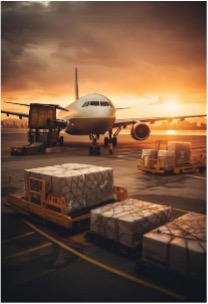
A shipment of South Australian seafood arrived in Shanghai with boxes broken and contents at 16–18°C — specifications required 6–8°C. In a conventional supply chain, the cause is unknown and the supply chain unaccountable. Two Hands scanned the QR codes on the boxes and within seconds identified a Hong Kong service provider had left the pallet on the tarmac for 76 minutes where the temperature breach and the box trauma both occurred.
The service provider was shocked to discover everyone in the chain — from the fisherman to the chefs and diners at the Waldorf Astoria Shanghai — could see their failed performance. Because the record is immutable, the HK service provider’s reputation was damaged permanently. From that day, every participant in the supply chain operated within specification. No enforcement. Transparency, auditability and immutability did the work.
Consider the downstream implications for food safety, supply chain efficiency, banking risk and insurance risk — at scale.
2. Commercial trust conventional contracts cannot deliver
Across thousands of transactions over 6 years in the hospitality sector, one of the higher-risk sectors for debt collection, Two Hands recorded £300 in total bad debt. When end-buyers know claims or late payments create a permanent, immutable record attached to their reputation, behaviour changes.
UK producers using our platform will know immediately whether they can trust London, Paris or Shanghai buyers — based on verified, immutable performance history.
3. The producer who became seen
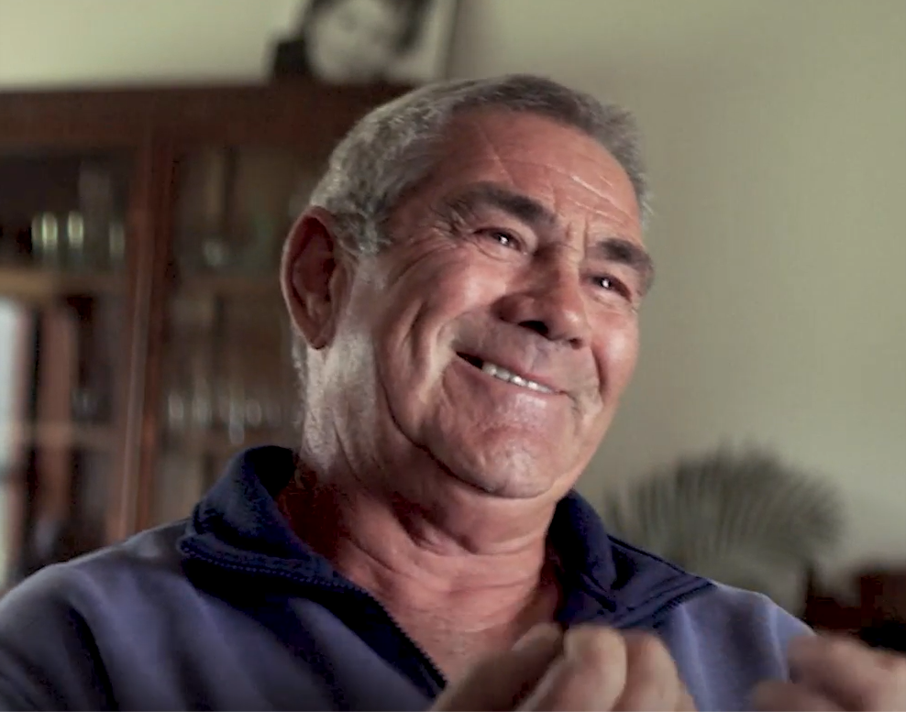
A fisherman had spent years sending his catch into a supply chain where he had no idea where it went. When his product reached the Ritz Carlton Shanghai, the executive chef sent him a photograph of the dish, beautifully plated, and a personal thank you. When the fisherman received the message on his phone, you would have thought he won the lottery.
Two Hands is building this at scale. Producers building their own brands and are recognised for their stewardship. Regions made famous. Chefs and consumers now know the person behind the produce. Nature, nutrition and attribured quality — currently invisible in today’s industrialised foodchains — recognised and commercially rewarded.
This is the architecture of a different food system benefitting farmers, fishermen, chefs, hospital purchasing managers and consumers.
UK opportunity - Scaling a proven model into a new market
We are partnering with a UK hospitality group representing over £20 million in Two Hands revenue capability on a six-month pilot — proving our technology and business model in the UK market, building on commercial operation proven across Australia and Asia.
A pre-seed £190k raise funds the pilot. The successful pilot supports a £2.4 million seed raise delivering Two Hands profitability, additional income streams for farmers, geographic expansion and our world-first blockchain-authenticated, scope 3 ESG reporting. We anticipate a 3x valuation uplift between the pre-seed and seed raises.
Investment structure - designed to reduce investor risk further
Scottish Enterprise will match qualifying investment from sophisticated investors pound-for-pound, up to 50% of the raise up to £2m. Your capital goes further before the pilot begins.
Independent validation: The commercial, legislative & technology worlds are converging on the same conclusion
Greg McLardie was invited to 10 Downing Street during London Tech Week 2025. Two Hands is a member of FinTech Scotland and the Digital Trust Taskforce Scotland. Our Innovate UK consortium bid returned evaluation scores of 92% and 87% - about as good as it gets. Scotland's CMS lawyers have identified Two Hands patents as ready for filing. The co-founders bring over thirty years of executive experience in food and agriculture across four continents.
"Food systems are broken because nobody can see the whole picture. We've spent six years building the infrastructure bringing critical change — digitising, authenticating and verifying from soil to plate, delivering truth and trust at scale. Investors coming in now are early to something the entire food system will eventually depend on."
Co-Founder and CEO